Our Story
Almost five hundred years of living in common, and the road that brought us to Cranford.
“And all that believed were together, and had all things common.”
Acts 2:44, the verse Hutterite community life is built on
How We Got Here
A Community of Goods
During the Anabaptist movement in Moravia, a group of believers began pooling everything they owned. Jakob Hutter, who led them in the 1530s and was executed for his faith in 1536, gave the Hutterites their name.
Centuries on the Move
Persecution pushed the communities from Moravia to Slovakia, Transylvania, Wallachia and finally the Russian Empire. Through all of it they kept their faith, their German dialect and their way of living in common.
Crossing to the Dakotas
Facing compulsory military service in Russia, the Hutterites moved to the Dakota Territory and started farming the open plains of North America.
Coming to Alberta
As conscientious objectors during the First World War, the Hutterites faced hardship in the United States, and most colonies moved north to Alberta and Manitoba. Southern Alberta has been home to many colonies ever since.
Lakeside Colony
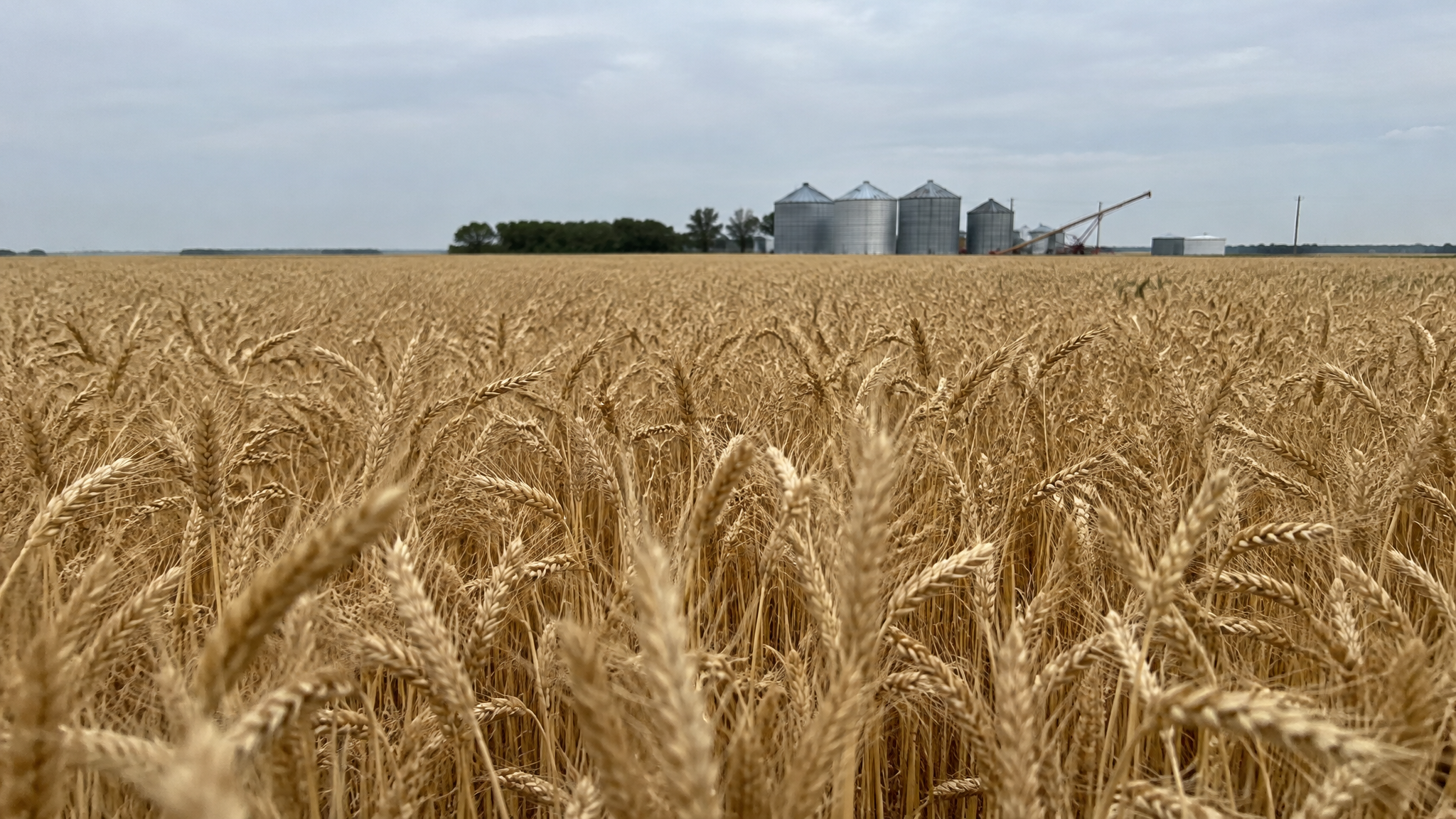
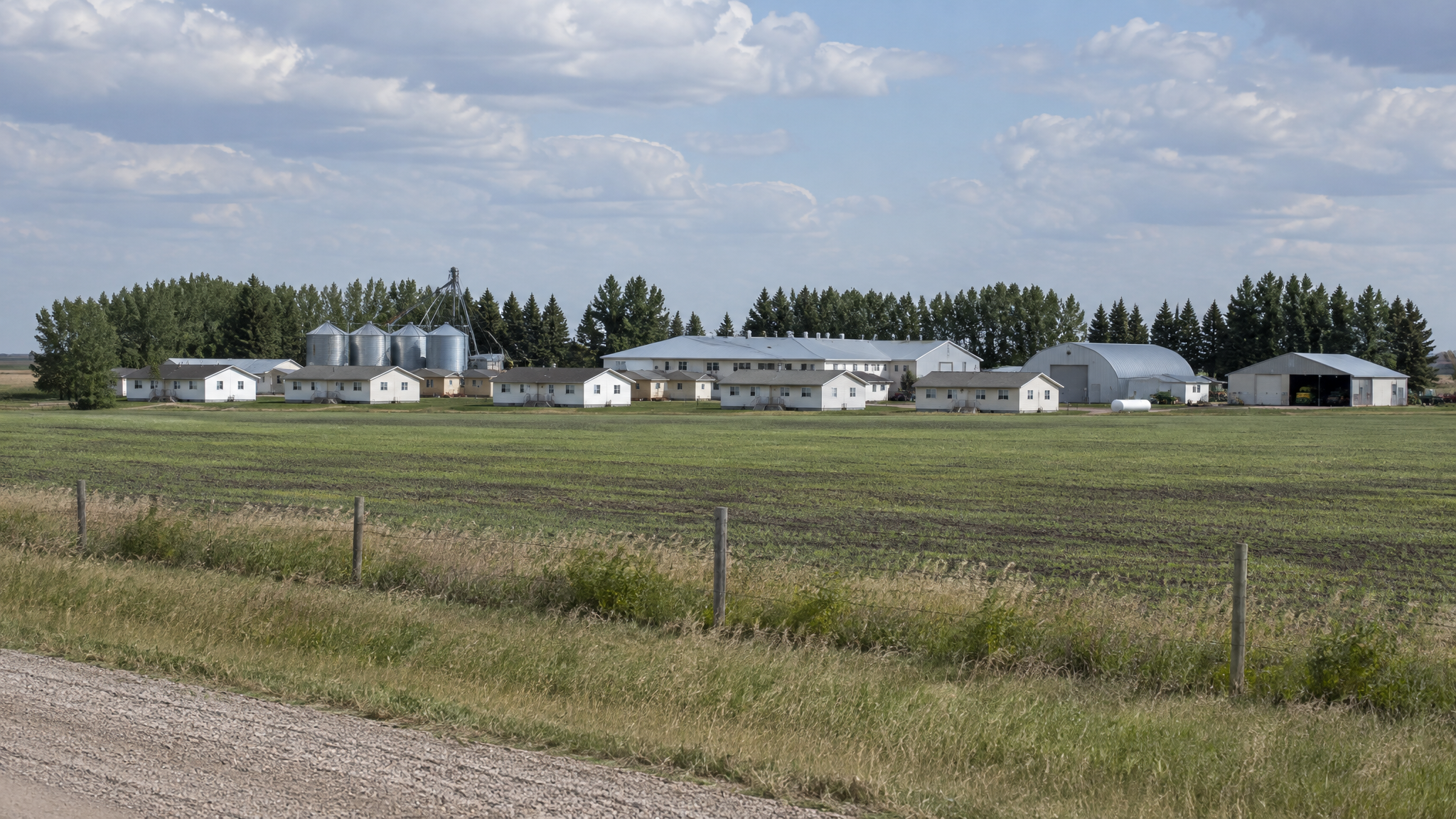
Lakeside Colony Farming Co. Ltd. farms near the hamlet of Cranford in Lethbridge County. Like every colony, Lakeside has grown out of an older one, carrying the same faith and way of life to new land.
What We Believe
Hutterites believe that following Christ means sharing everything. No one at Lakeside owns the land or the machinery privately. The colony owns it, and the colony provides for every family.
A minister leads the community in faith, and a colony boss and farm manager look after the business. Decisions are made by the baptized men of the colony together.
Looking After the Land
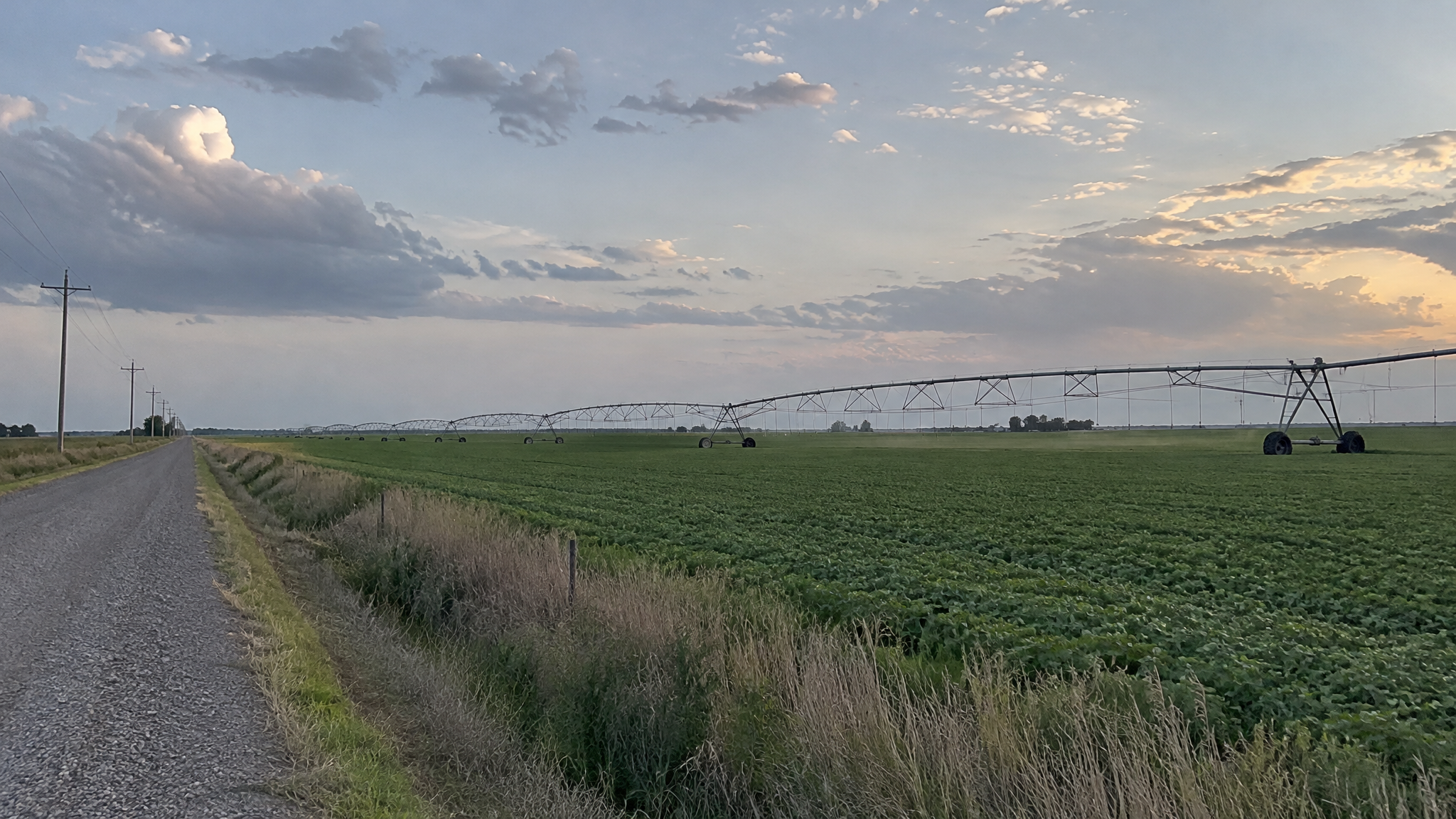
The land we farm will be farmed by our grandchildren, so we treat it that way. We rotate crops, watch our irrigation water closely, and plant and keep shelterbelts against the wind.
Southern Alberta gets little rain. The irrigation canals running out of the mountain rivers are what make farming here possible, and we don't take that water for granted.
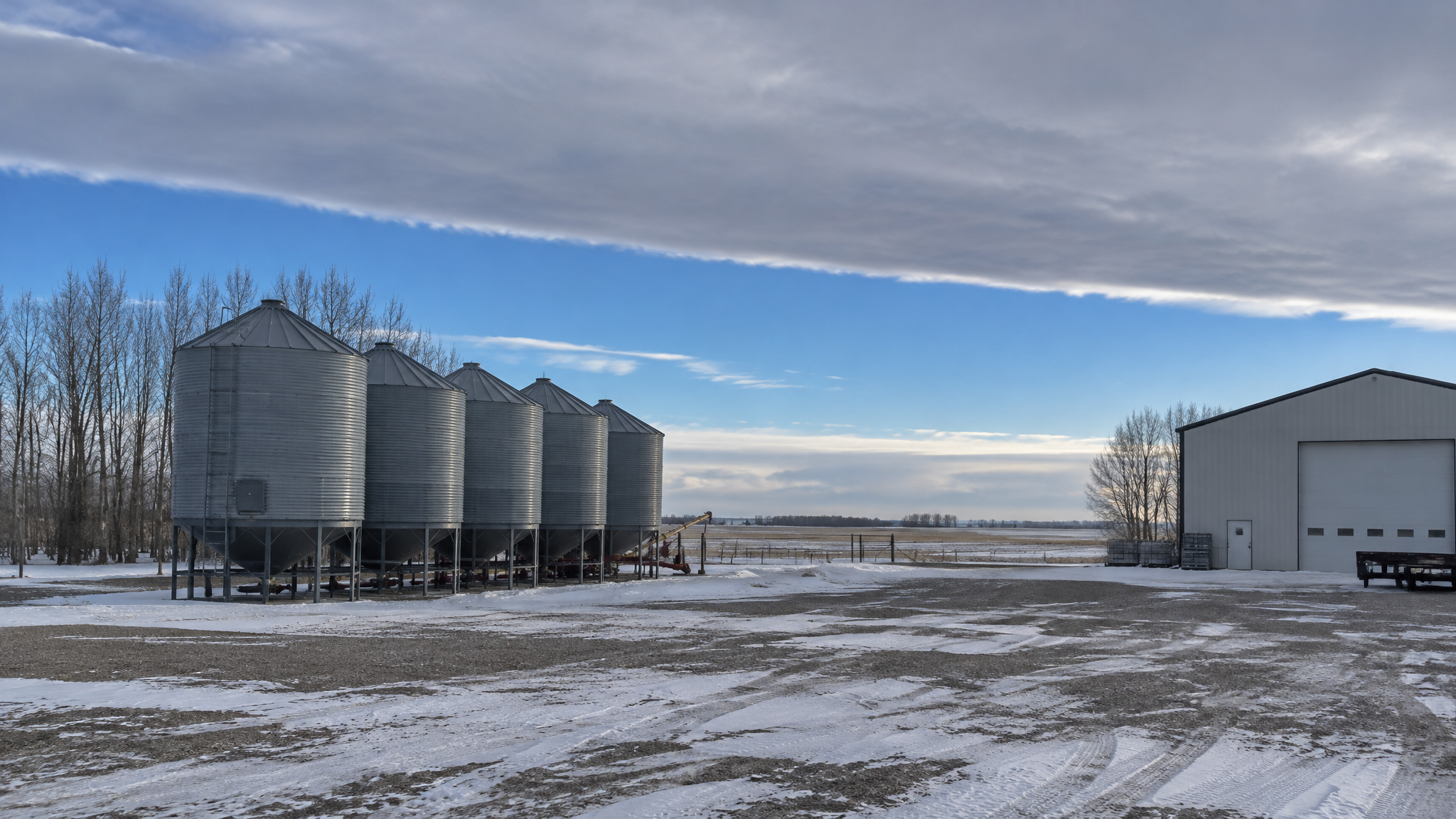
The faith is old, the equipment is new, and the work is shared just the same.